The short answer
Vinegar and baking soda can loosen a light, soft clog such as an excess of toilet paper. It will not clear a toy, a wad of wipes or a solid blockage in the trap. It makes carbon dioxide foam that stirs the water, but the force is small and the clog usually stays put.
How to try it safely
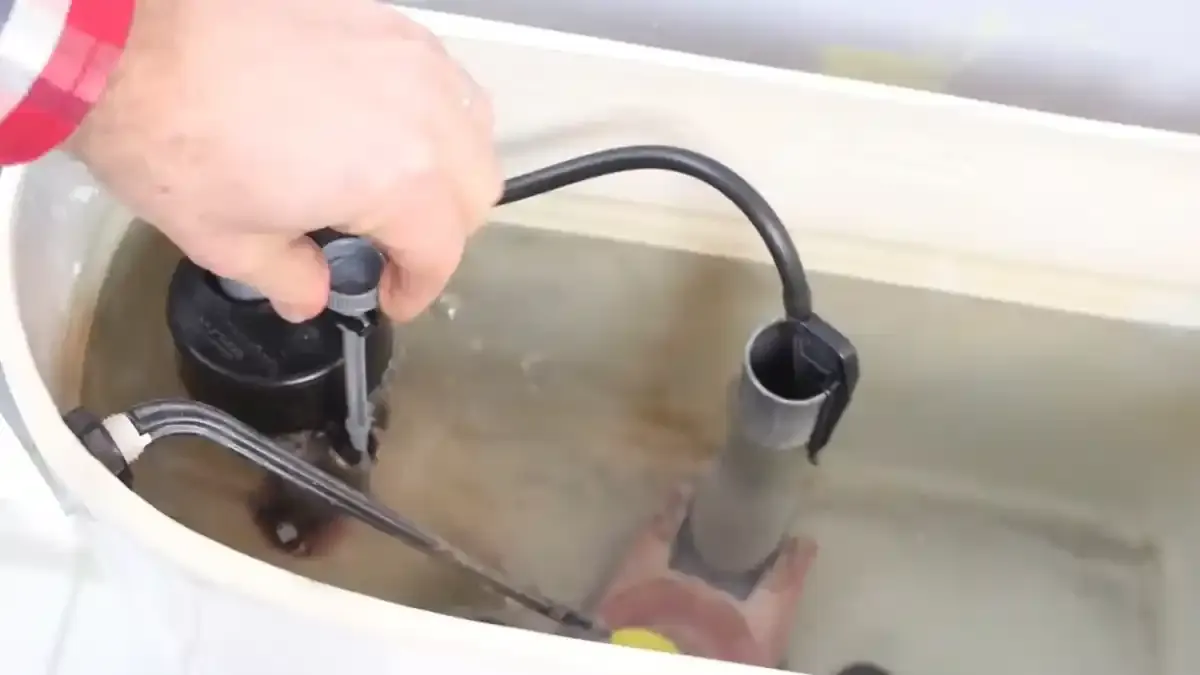
Stop the tank from refilling by closing the valve behind the toilet if the bowl is high.
Remove some water from the bowl with a cup if it is close to the rim.
Pour a cup of baking soda into the bowl, then slowly add two cups of vinegar.
Let it foam and sit for 20 to 30 minutes.
Pour a bucket of hot tap water, not boiling, from waist height to push it through.
Boiling water can crack a porcelain bowl. Never mix this with a chemical drain cleaner, because the combination can release harmful fumes.
What works better
A flange plunger, which has a rubber extension that seals the toilet outlet.
A closet auger, a short cable with a curved tip made for toilets.
A bucket of hot water with a squirt of dish soap to lubricate a paper clog.
Patience, since a pushed clog may need a few minutes to settle.
Use a plunger with firm, steady strokes and keep the seal. Most toilet clogs clear within a few tries.
When the clog is not in the toilet
If the toilet clears and the tub gurgles, or other drains are slow, the blockage is past the toilet in the branch or the main. A plunger will not reach it and neither will a kitchen remedy. That is a job for a cable or a camera, covered on our drain cleaning page.
If the toilet backs up and sewage appears in a floor drain, stop using water in the house and call. A main line problem is a bigger issue, and sewer line cleaning explains how it is handled.
Why toilets clog repeatedly
A toilet that clogs more than once a month has a cause. It may be a partial blockage in the line, a low-flow bowl that is too weak for the amount of paper, a flapper that does not release enough water or a vent problem that slows the flush. Wipes labeled flushable do not break down like paper and collect on any rough spot in the pipe.
If the toilet is old, a new model with a good flush design is often cheaper than repeated clearing.
What clogs a toilet and what clears it
| Cause | Typical sign | What usually clears it |
|---|---|---|
| Too much paper | Bowl fills and drains slowly | Hot water and a plunger |
| Wipes or hygiene products | Repeated clogs and a bowl that rises | Closet auger, sometimes pulling the toilet |
| A toy or small object | Sudden total blockage | Auger or removing the toilet to retrieve it |
| Weak flush | Bowl never clears fully | Cleaning rim jets, checking the water level |
| Blocked vent or drain line | Gurgling in other fixtures | A plumber with a cable or a camera |
Matching the cause to the tool matters more than the product you choose. A solid object will not dissolve, and a vent problem will not clear with foam.
Mistakes that turn a clog into a call-out
Flushing again and again, which fills the bowl and floods the floor.
Pouring a chemical drain cleaner into a bowl that is already full.
Using a sink plunger, which cannot seal a toilet outlet.
Forcing a metal snake that scratches the porcelain.
Ignoring a bowl that rises in a tub or floor drain, which signals a line problem.
Stopping early is a skill. If two good attempts with a flange plunger fail, the clog is not where you are pushing.
What a plumber does differently
A plumber starts by asking which other fixtures are slow, because that locates the blockage. A closet auger reaches the trap. If that fails, the toilet comes off the floor so the outlet and the flange can be checked directly, and a cable can reach the line.
Resetting the toilet needs a new wax ring and a level seat. That is part of the job when we pull one, and it is why a toilet that rocks or leaks at the base after a DIY removal needs attention, as covered under toilet repair.
How to plunge a toilet properly
Use a flange plunger, the kind with a rubber lip that folds out. Make sure the bowl has enough water to cover the cup, then seat the plunger over the outlet and push slowly at first to push out the air.
Pump with steady strokes for about twenty seconds, then pull sharply to break the seal. The pulling stroke often does more work than the pushing one. Repeat a few rounds before you decide it has failed.
If the water level drops and the bowl clears, flush once to confirm. If it does not move after several honest tries, stop and call, because a harder push only risks a spill or a cracked bowl.
Iron stains and Bridgewater's water
Bridgewater's water dashboard says brownish discoloration is usually caused by naturally occurring minerals, mainly iron, stirred up when flow changes during hydrant flushing or main work. It says the water is generally not harmful and that running cold water for a few minutes should clear it.
A rust stain in a bowl is cosmetic and does not cause clogs. If the discoloration persists, the dashboard directs you to contact the Water Department. A toilet that keeps staining despite clear water may have a worn tank part we can check.
Source type: municipal water division dashboardWho to call near you
We take toilet calls from Bridgewater and from East Bridgewater and Halifax, and the line is open 24/7 for an overflow. Tell us what you tried and what the other drains are doing.
Sources and standards for this guide
Federal standards limit new toilets to 1.6 gallons per flush, and WaterSense models use 1.28 or less. Installation and venting follow 248 CMR 10.00.
Questions readers ask
Yes, in small amounts. It is not a substitute for a plunger, and it must never be combined with a chemical drain cleaner.
Give it 20 to 30 minutes. If nothing changes, switch to a plunger or an auger.
In small amounts it is generally fine, but heavy use of any cleaner can disturb the tank. Ask a septic professional.
Iron in the water can leave stains. The town says discoloration is usually harmless and clears after running cold water.
If the plunger does not clear it, if other drains are slow or if water rises toward the rim of an overflowing toilet.
Still have a question? Call (508) 389-4045 and we will answer it.