No hot water: what to check first
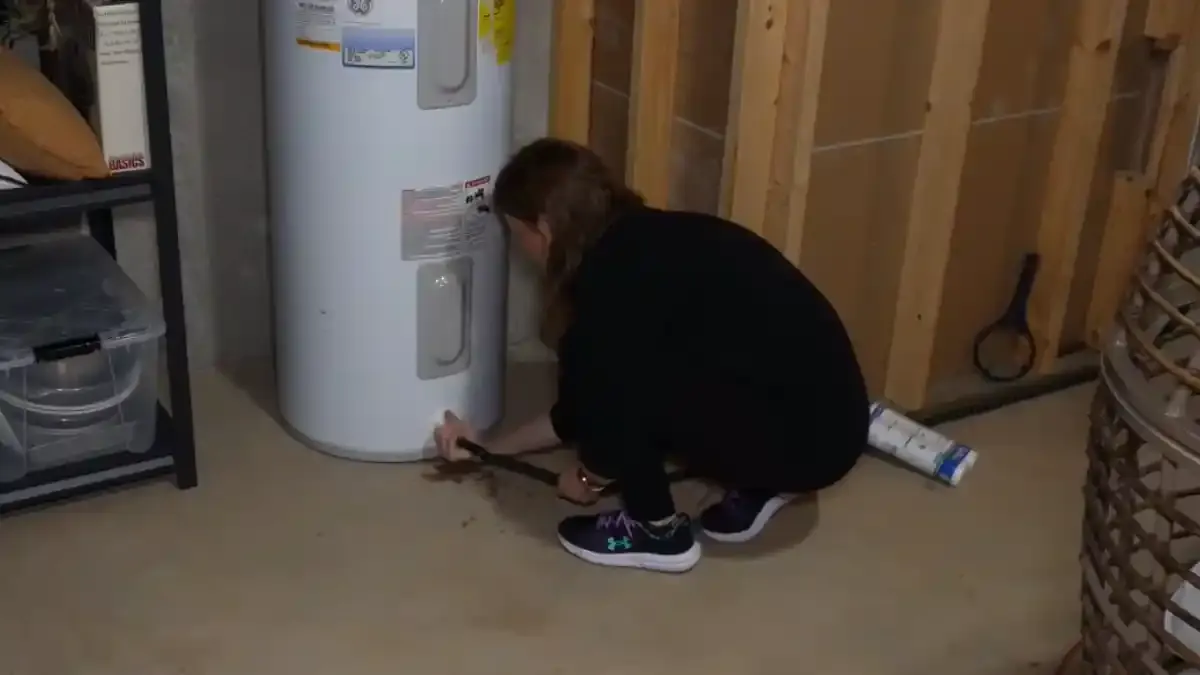
No hot water is an emergency water heater repair call in Bridgewater, MA, and we pick up 24/7. Before you call, check the basics. On an electric tank, look at the breaker and the reset button on the upper thermostat. On a gas tank, check that the gas valve is on and the pilot or igniter is working.
If you see water at the base of the tank, shut the cold water valve on top and turn the unit off. A leak from a pipe fitting or the relief valve line is repairable. A leak from the tank body is not, and that is when water heater replacement is the honest answer.
Ask us about timing, including evenings and weekends.
Symptoms and the part behind them
| What you see | Likely cause | Typical fix |
|---|---|---|
| Pilot will not stay lit | Worn thermocouple or a dirty pilot assembly | Replace the thermocouple and clean the burner |
| Lukewarm water, electric tank | Failed heating element or thermostat | Replace the element or thermostat |
| Water runs out fast | Sediment layer or a broken dip tube | Flush the tank or replace the dip tube |
| Dripping from a valve | Worn temperature and pressure relief valve | Replace the valve and check the pressure |
| Rumbling or popping | Sediment cooking under the burner or element | Flush now, replace if the tank is old |
A T&P relief valve that drips often is a clue that system pressure is too high. We check the pressure before swapping the valve, since a new valve will drip too if the pressure is the cause.
Gas and electric tanks fail in different ways
Gas units depend on a clean flame, a working thermocouple and a safe vent. Soot, a flickering flame or a smell of gas means we stop and fix the cause before anything else. If you smell gas, leave the house and call the gas utility or 911 first, then call us.
Electric tanks fail at the heating element and thermostat. Upper and lower elements run in sequence, so a dead lower element gives you a short supply of hot water that runs out fast. Replacing an element is quick and inexpensive compared to a tank.
Sediment, iron and anode rods
The state's source water assessment lists iron treatment at the Bridgewater Water Department's wells. Iron and minerals that pass through treatment settle in a tank, and a layer of it insulates the water from the burner or element. That is why an older tank can rumble and take longer to heat.
A yearly flush removes loose sediment. The anode rod is a sacrificial metal rod that corrodes in place of the tank steel, and checking it every few years is the cheapest way to extend tank life. If the rod is gone, the tank is next.
Repair or replace
Repair when the tank is under about 10 years old, dry on the outside and one part has failed.
Replace when the tank body leaks, the rust is heavy or repairs are stacking up.
Consider a tankless unit only when you are ready to change venting and gas or power capacity.
Ask for the age from the serial number on the label if you do not know it.
A good plumber tells you when not to repair. If we say a part will not solve the problem, we will tell you and price the replacement instead.
What changes the price of a repair
| Factor | Why it matters |
|---|---|
| The part | Elements, thermostats and valves cost very different amounts |
| Tank age | Old tanks may fail again, so we advise honestly |
| Access | A tight closet or attic raises the labor time |
| Fuel type | Gas work needs venting and leak checks |
| After hours | Night calls carry a premium, quoted up front |
Insurance usually covers water damage from a sudden failure but not the failed heater. Want your real number? Call (508) 389-4045.
Code and sources for this work
According to the Consumer Product Safety Commission, a water heater thermostat should be set no higher than 120 degrees Fahrenheit to reduce scald risk. Repairs to gas controls fall under the Massachusetts fuel gas code, 248 CMR 5.00.
Water heater repair questions
Yes. The line is open 24/7. We walk you through shutoffs and book the next available slot. After-hours visits include a premium that we quote before you commit.
On an electric tank, a failed lower element is the usual cause. On a gas tank, sediment or a weak flame can do it. We test the unit and tell you which.
It can be a sign of high pressure or a worn valve. Do not cap the line. Call us and we will check the pressure and the valve.
A worn thermocouple or a draft at the vent is the usual cause. If you smell gas, leave the house and call the gas utility or 911 first.
A homeowner can flush a tank by draining some water from the valve at the bottom. If the valve is stuck or the tank is old, stop and call us, because forcing a valve can start a leak.
Still have a question? Call (508) 389-4045 and we will answer it.