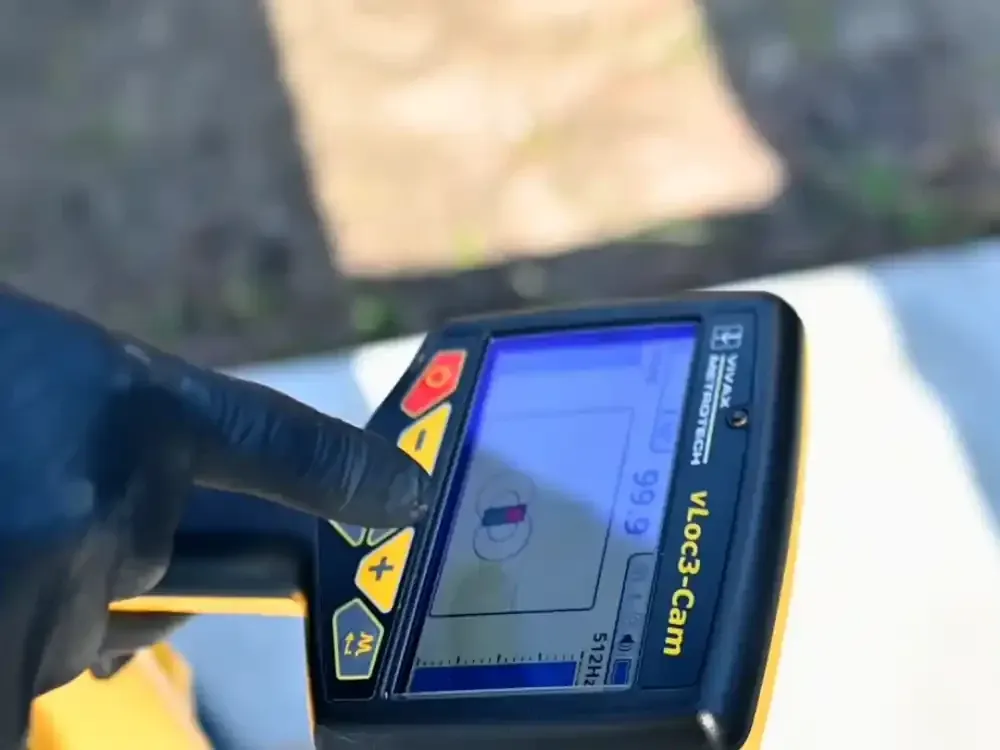
What a sewer camera inspection shows
A sewer inspection in Bridgewater, MA puts a waterproof camera on a flexible rod and pushes it through your drain line while you watch on a monitor. It shows cracks, offset joints, root growth, scale, standing water and the material of the pipe. It also shows where the line runs and how deep it sits.
We use it when you are buying a house, after a backup and before any repair decision. If the line is clear, the visit costs less than a guess that turns out wrong. If it is not, you know the problem and its location before anyone digs.
When a camera run is worth it
You are buying a house with a sewer line you have not seen.
A drain backed up twice in a year and a cable did not explain why.
A sunken area or wet patch shows up along the sewer path.
You plan to add a bathroom or finish a basement on an old line.
A hydro jetting visit is planned and we want to know the pipe condition first.
Each of these tells us whether to clean, repair or leave the line alone. Cleaning is covered under sewer line cleaning and hydro jetting.
How the visit runs
We find the cleanout, or pull a toilet if there is none, and give you a price before work starts.
We run the camera down the line, recording and marking any problem.
We use the locator to mark the position and depth on the ground.
We review the footage with you and name what we saw in plain words.
You get the recording and a recommendation: leave it alone, clean it or repair it.
Buying a house with an unknown line
A home inspection does not usually include the sewer line. The inspector sees fixtures, not what runs beneath the lawn. A camera run before you close can reveal a root-filled or collapsed line that would cost thousands to fix, and gives you a basis to negotiate or to plan the repair.
If your house has a septic system, the camera covers the line from the house to the tank, not the tank or leach field. We tell you where our view ends.
What the footage cannot tell you
A camera sees the inside of the pipe. It does not tell us the condition of the soil around it. A pipe with a belly that holds water might still flow. A hairline crack might not leak. We interpret what we see with the symptoms you describe and say where we are less certain.
Where a line looks questionable, we may recommend a second look after cleaning, because grease and scale can hide a defect. Our sewer line repair page describes what happens next when damage is real.
What changes the price of an inspection
| Factor | Why it matters |
|---|---|
| Access | A cleanout is quick, and pulling a toilet takes longer |
| Line length | A long run takes more time and cable |
| Cleaning first | A heavily blocked line may need cleaning before the camera can pass |
| Locating | Marking depth and position adds a step |
| Report | A written summary and a copy of the video take extra time |
Insurance does not pay for an inspection. A planned inspection is an investment in knowing the pipe before spending more. Want your real number? Call (508) 389-4045.
Code and sources for this work
A camera inspection reads the pipe against what 248 CMR 10.00 expects for slope and joints. According to the plumbing code, a building drain needs a continuous fall, so a belly or offset on video is a recognized defect.
Sewer inspection questions
Yes. Book before the inspection contingency ends so you have time to read the footage and decide.
No. The camera moves on a flexible rod. If the pipe is badly collapsed, the camera stops and we note it.
Yes, usually by pulling a toilet. We recommend installing a cleanout so future access is easier.
Yes. We review it with you and keep the recording for the job.
Inspections are booked by appointment, but our line is open 24/7 for backups, and emergency sewer repair is available when a line fails.
Still have a question? Call (508) 389-4045 and we will answer it.